Guardians of Heritage: The Movement for Cultural Preservation and Indigenous Rights in Kathmandu.




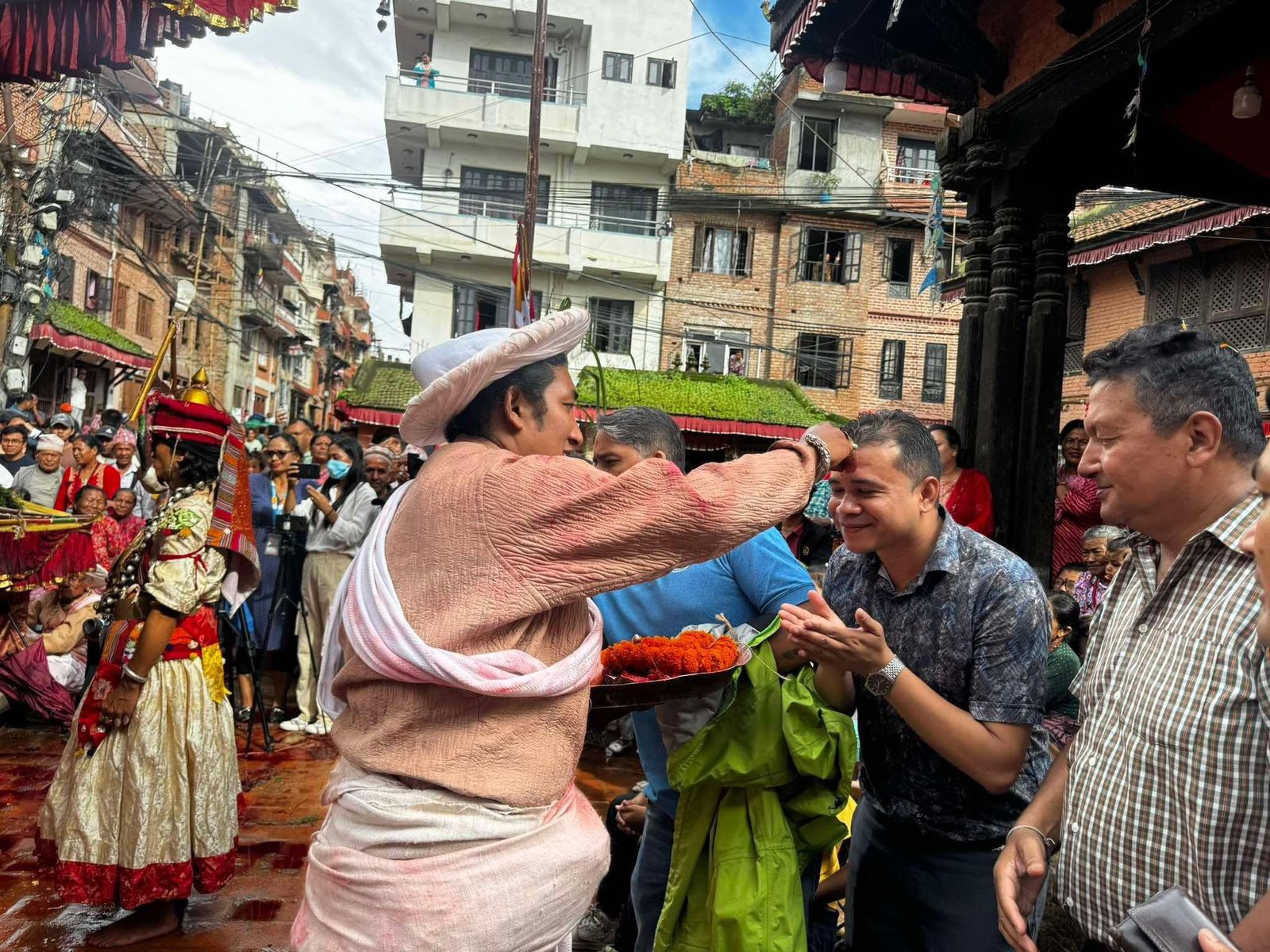
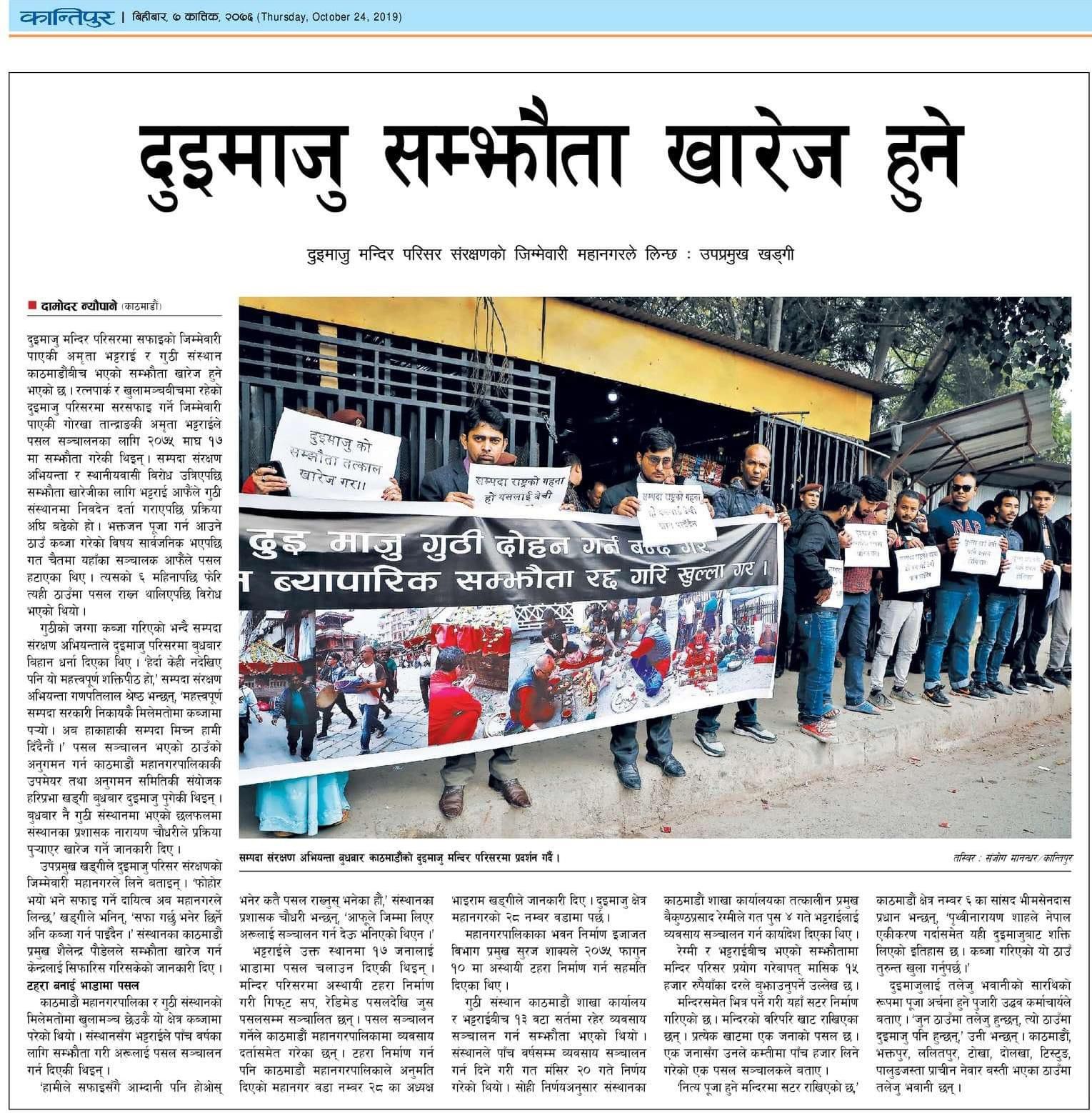
In recent years, a powerful movement has emerged to advocate for the preservation of cultural heritage and the rights of indigenous communities in Kathmandu. This movement gained momentum after a devastating earthquake, which not only damaged infrastructure but also sparked a shift in perspective among local activists. Fueled by a commitment to social responsibility, wea are working tirelessly to challenge government actions that threaten historical sites and community traditions.
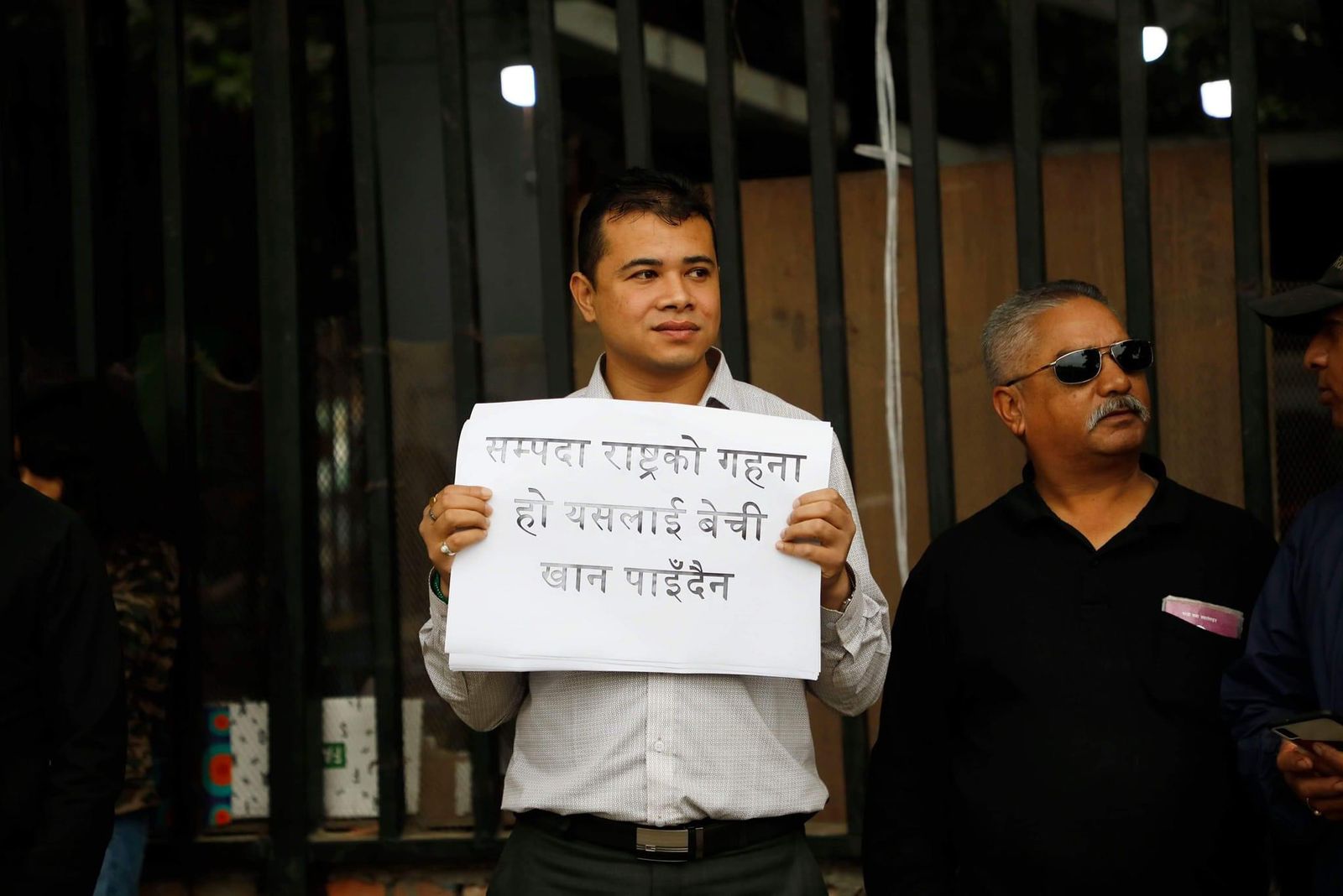
One prominent focus of this activism has been the protection of significant heritage sites, particularly in the face of arbitrary construction projects that disregard cultural significance. We have employed legal avenues, such as public interest litigation and the Right to Information Act, to hold government officials accountable for their omissions in preserving these sites. This innovative approach reframes conservation as not only a matter of preservation but also one of legal duty, emphasizing the role of governance in safeguarding cultural heritage.
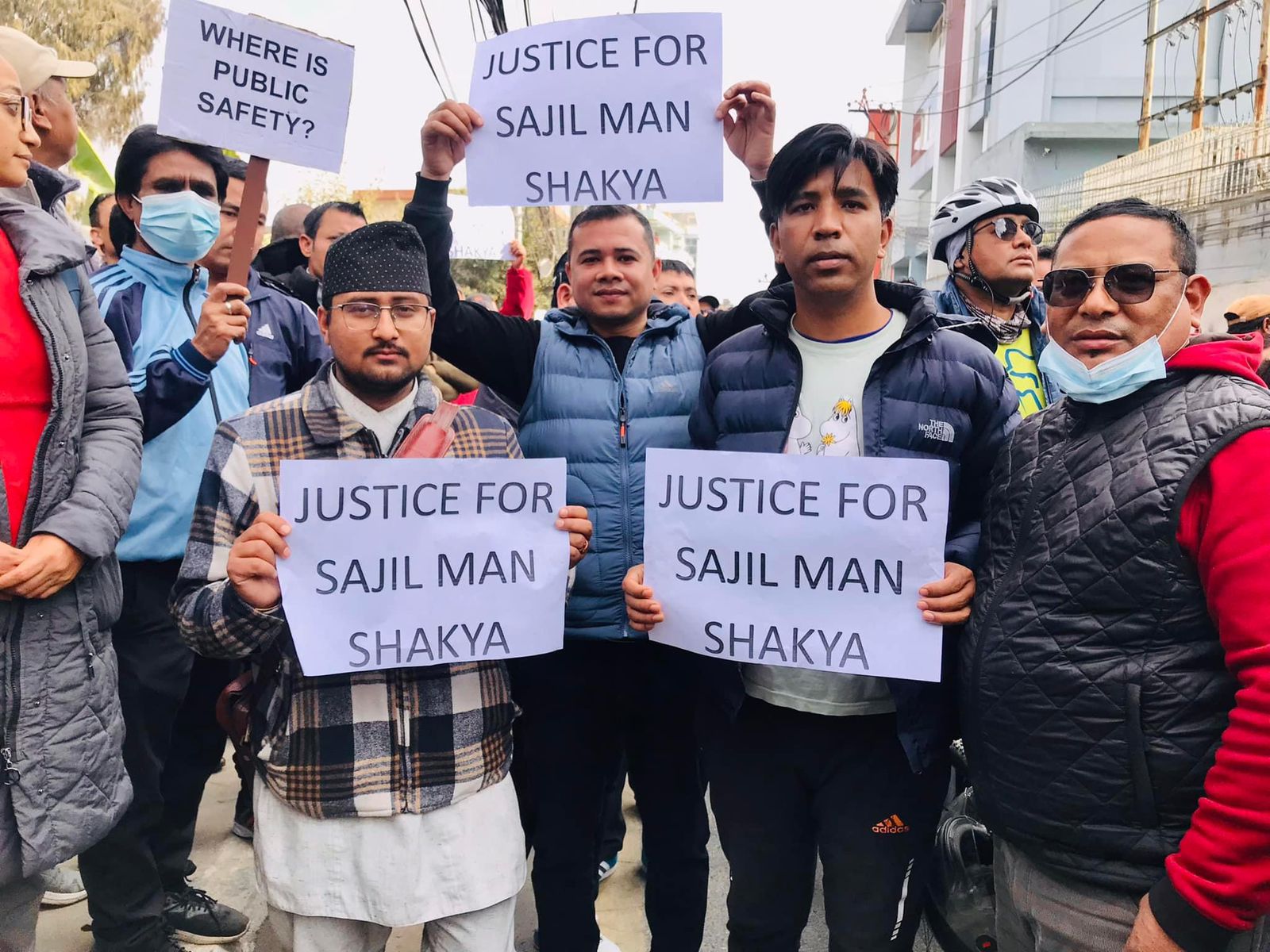
Additionally, our efforts have extended beyond legal challenges to include grassroots campaigns that unite communities. These campaigns have rallied thousands to protest against proposed legislation perceived as a direct threat to indigenous rights and cultural practices. The successful withdrawal of a controversial bill aimed at nationalizing community-held lands was a historic victory, showcasing the power of collective action and grassroots advocacy.
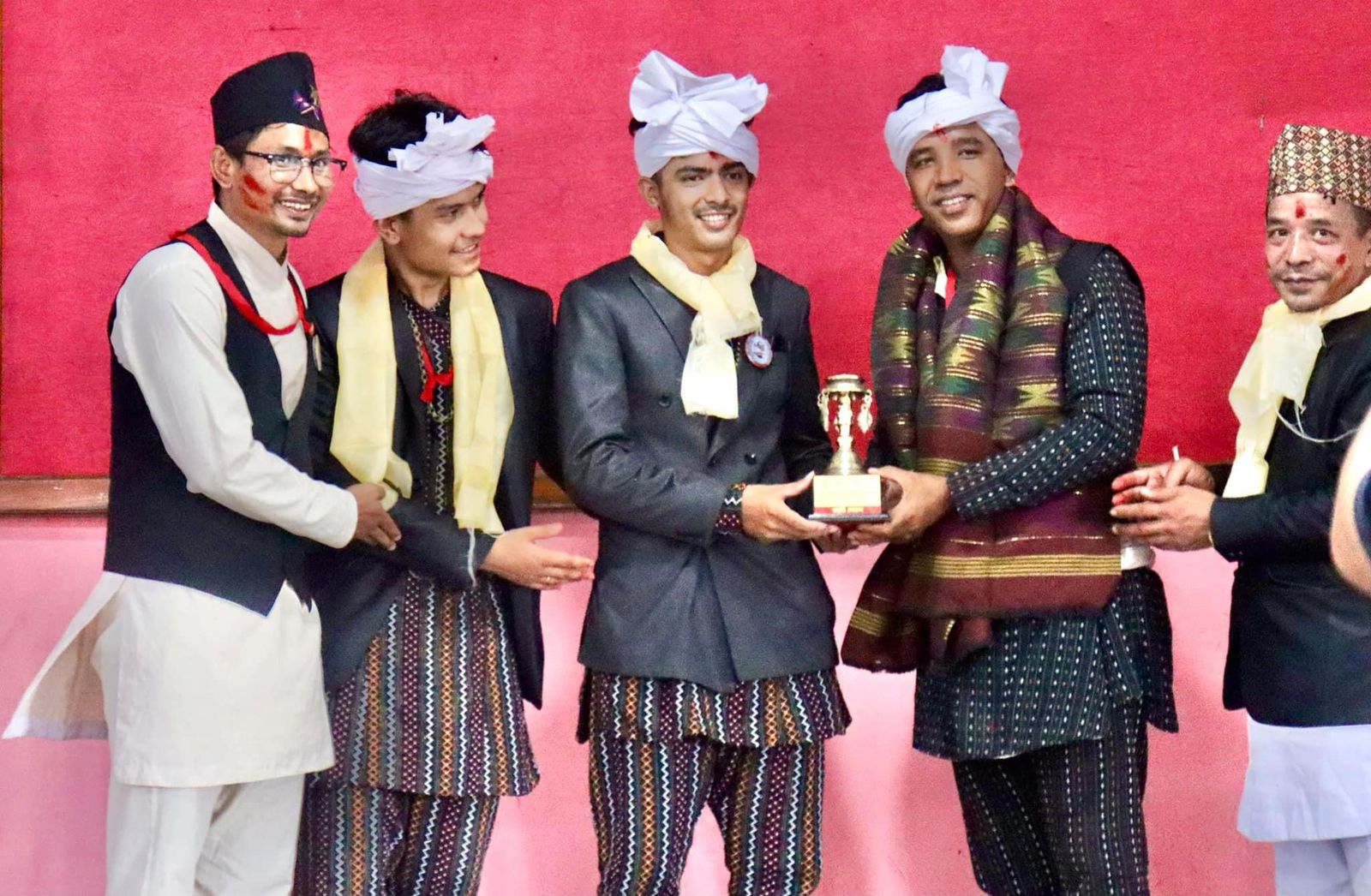
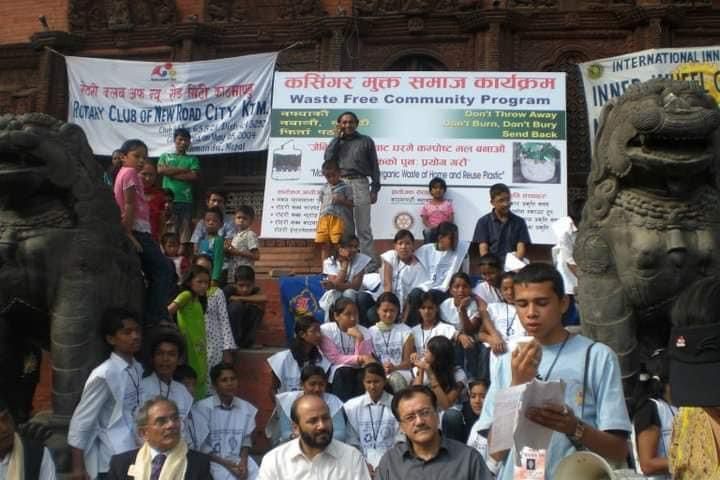
Cultural education plays a crucial role in these efforts. Therefore, we have reached out to younger generations, teaching them about their indigenous roots through traditional arts, music, and language. This revival of cultural practices not only strengthens community bonds but also empowers individuals to take pride in their heritage. Events celebrating indigenous traditions have been organized, creating platforms for communities to showcase their rich history and resilience.
Through coordinated efforts, we have not only restored physical landmarks but have also revitalized the intangible heritage that these sites represent. This movement stands as a testament to the enduring spirit of community, highlighting the importance of cultural identity and the ongoing struggle to protect it in an ever-changing world.
Prakash Mani Sharma (PMS) Academy for Public Interest Law (PIL).
Contact Us
- Anamnagar, Kathmandu
- prakashacademyforpil@gmail.com
- prakashacademyforpil@gmail.com
- +977 9849441734